


Importance of Digital Marketing for Small Businesses :
In the present era, the internet is part of our daily lives. For shopping and learning, for entertainment and communication, everything online. The online world presents a significant opportunity for small businesses to expand, attract customers, and compete against big businesses. Through digital marketing, small businesses can market their products or services through online media like social media, websites, emails, and search engines.
In this article, we will look at the **top 10 reasons Digital Marketing is vital for small businesses** and how it aids them to expand in a competitive industry.
1. Cost-Effective Compared to Traditional Digital Marketing
Traditional forms of marketing such as TV commercials, newspapers, and billboards tend to be costly and out of reach for small businesses. Digital marketing, however, is **inexpensive and versatile**.
* You may begin with a budget that is small.
* It is easier to set a budget using platforms like Facebook, Instagram, or Google Ads.
* Organic marketing – free social media posts or blog writing may cost next to nothing but can yield big returns.
Digital marketing thus becomes one of the most affordable ways to promote your brand and attract new customers.
## **2. Can Reach a Global Audience Using Digital Marketing**
In contrast to localized marketing to an immediate area, online marketing allows you to find individuals **anywhere on the globe**.
* A tiny handcrafted jewelry shop, for instance, is able to sell to consumers in various nations through platforms such as Etsy or Instagram.
* Digital marketing makes it possible for you to reach out to local and global buyers.
This **global connection** aids small enterprises to move past their geographical limits and discover new opportunities for growth.
—
## **3. Builds a Strong Online Presence**
Having an online presence is no longer a choice—it’s a requirement.
* A professional website, social media profiles, and Google business listings put your brand out there.
* When customers look for your product or service on the internet, your company turns up in search results.
A regular online presence creates **brand awareness and trust** between prospective consumers. Even if they do not purchase now, they will remember your name and return later.
—
## **4. Targets the Right Audience With Digital Marketing **
One of the biggest advantages of digital marketing is **targeting**.
With Google Ads, Facebook Ads, and SEO, you can target individuals based on:
* Age, location, and gender
* Interests and behaviors
* Purchase habits
This guarantees your marketing message is only received by those most likely to become customers, and it saves time and money.
—
## **5. Builds Strong Customer Relationships**
Digital marketing enables small businesses to **talk directly** with customers.
* You can reply to comments and messages promptly using social media.
* Email marketing enables you to send updates, special deals, and newsletters.
These customized interactions establish **trust, loyalty, and long-term relationships** with customers. Customers love brands that listen and are interested in them.
—
## **6. Measurable and Trackable Results**
Unlike old-school marketing, where you can’t measure success easily, digital marketing provides you with **real-time data and insights**.
* Analytics tools like Google Analytics reveal how many individuals visited your site.
* Social media insights inform you about how many users liked, shared, or commented on your updates.
This information enables you to know what’s going right and what’s going wrong, so you can **tweak your strategy** for improved outcomes.
—
## **7. Enhances Brand Credibility and Awareness**
When a small company is present online, it gives a professional impression.
* Regular posting, sharing reviews, and having good feedback enhance your image.
* Good brand presence enhances **customer trust** and encourages people to purchase from you.
Even small local shops can match up to big brands through consistency and quality online.
—
## **8. Increases Sales and Revenue and Track All With Digital Marketing**
Digital marketing has a direct impact on sales.
* SEO brings organic traffic to your website.
* Paid ads produce immediate leads.
* Email marketing converts repeat visitors into repeat buyers.
By employing all these techniques, small firms can **boost conversions and generate revenue** more quickly than ever before.
—
## **9. Adapts Quickly to Market Changes**
One of the greatest things about online marketing is **flexibility**.
If your advert isn’t working, you can alter it right away.
If consumer preferences change, you can adjust your content or approach in minutes.
This flexibility offers small businesses a competitive advantage, making them react quicker to trends compared to those depending on sluggish conventional methods.
—
## **10. Levels the Playing Field with Big Brands**
Previously, only big firms were able to spend money on large advertising campaigns. But online marketing has **levelled the playing field**.
A small firm with innovative thinking, good products, and intelligent digital tactics can reach millions—just like a big brand.
Even without a lot of money in the pocket, if your content is interesting and focused, you can make it in the digital space.
—
## **Real-Life Example**
Take a small bakery in a nearby town. With Instagram and Google My Business, they can share photos of cakes, respond to reviews from customers, and even place tiny ads. In a matter of months, their presence gets noticed, people begin ordering from them online, and they expand faster than other bakeries that are dependent solely on walk-in orders.
This is the **power of digital marketing**—small dreams become huge success stories.
—
## **Conclusion**
Digital marketing is not just a trend; it’s a **powerful tool for growth**.
For small businesses, it offers everything needed to succeed—visibility, engagement, leads, and sales—all at a low cost. Whether you’re running a café, clothing store, consultancy, or online service, embracing digital marketing can transform your business and open doors to endless opportunities.
If you have not begun, now is the best time to create your online presence and engage with the world.
—
# **FAQs on Digital Marketing for Small Businesses**
### **1. What is digital marketing in simple words?**
Digital marketing refers to advertising your business, products, or services through online mediums like websites, social media, email, and search engines.
### **2. Why is digital marketing important for small businesses?
It enables small companies to access more individuals, market their brand, and compete with big firms at a lower price.
### **3. How can digital marketing drive sales?**
Through reaching the correct audience, digital marketing appeals to prospects and turns them into customers through advertisements, search engine optimization, and social media efforts.
### **4. Is digital marketing costly?
No. It’s less expensive than old marketing. You can begin with a low budget and grow your spend.
### **5. What are some examples of digital marketing?**
SEO (Search Engine Optimization), social marketing, email marketing, content marketing, Google Ads, and influencer marketing.
### **6. Can digital marketing help local businesses?**
Yes. Local SEO and Google My Business listings make your store easily discoverable by nearby customers.
### **7. How do I measure success for my digital marketing?**
Utilize Google Analytics, Facebook Insights, and email campaign reports to monitor visits, clicks, and conversions.
### **8. Which social media is good for small businesses?**
Facebook, Instagram, LinkedIn, and YouTube are excellent for most businesses. Select the platform where your audience spends the most time.
### **9. How long will it take to experience results from digital marketing?**
It varies depending on the strategy. Paid advertising provides immediate results, while SEO and content marketing can take 3–6 months to produce strong, long-term results.
### **10. Do I need a website for digital marketing?**
Yes, having a website provides credibility to your business and serves as a central location where all your online endeavors and promotions are directed.
The Indispensable Role of Digital Marketing for Small Businesses in the Modern Age
In today’s interconnected world, the internet has seamlessly woven itself into the fabric of our daily routines. From the mundane act of shopping for groceries to the pursuit of knowledge, entertainment, and communication, virtually every aspect of our lives now has an online dimension. This pervasive digital landscape presents an unprecedented opportunity for small businesses – a chance to not only expand their reach and attract new customers but also to effectively compete with larger, more established enterprises. Digital marketing, in essence, is the strategic utilization of online channels such as social media, websites, email, and search engines to promote products or services.
This article delves into the paramount reasons why digital marketing has become an indispensable tool for small businesses, empowering them to thrive and grow within an increasingly competitive industry.—–Top 10 Reasons Digital Marketing is Vital for Small Businesses
1. Cost-Effectiveness Compared to Traditional Marketing
Historically, traditional marketing avenues like television commercials, newspaper advertisements, and billboard placements were prohibitively expensive, often placing them out of reach for most small businesses. Digital marketing, however, offers a refreshing alternative, being both inexpensive and remarkably versatile.
- Flexible Budgeting: One of the most significant advantages is the ability to start with a modest budget. Platforms like Facebook, Instagram, or Google Ads provide intuitive tools for setting and managing ad spend, allowing businesses to scale their investment as they grow.
- Organic Reach at Minimal Cost: Beyond paid advertising, organic marketing strategies, such as creating engaging social media posts or crafting informative blog articles, can cost next to nothing yet yield substantial returns in terms of brand visibility and customer engagement.
Consequently, digital marketing emerges as one of the most accessible and affordable avenues for promoting a brand and acquiring new customers.—–2. Ability to Reach a Global Audience
Unlike localized traditional marketing efforts that typically target an immediate geographic area, online marketing liberates businesses from physical constraints, allowing them to connect with individuals anywhere on the globe.
- Expanding Market Horizons: Consider a small, independent handcrafted jewelry shop. Through platforms like Etsy or Instagram, they can effortlessly showcase their creations and sell to consumers across various nations, transforming a local craft into a global enterprise.
- Dual Reach: Digital marketing expertly enables businesses to cultivate both a strong local presence and a far-reaching global appeal.
This global connection is a game-changer, enabling small businesses to transcend geographical limitations and unlock a wealth of new growth opportunities.—–3. Builds a Strong Online Presence
In the contemporary business landscape, establishing an online presence is no longer a mere option; it is an absolute necessity.
- Foundations of Visibility: A professionally designed website, active social media profiles, and optimized Google Business listings collectively ensure that your brand is visible and accessible in the digital sphere.
- Search Engine Discoverability: When potential customers actively search for your product or service online, a robust online presence guarantees that your company appears prominently in search results.
A consistent and well-maintained online presence cultivates brand awareness and fosters trust among prospective consumers. Even if an immediate purchase doesn’t occur, the brand recognition and positive impression created can lead to future conversions.—–4. Targets the Right Audience with Precision
One of the most potent advantages of digital marketing lies in its unparalleled ability to facilitate precise targeting.
Through sophisticated tools like Google Ads, Facebook Ads, and Search Engine Optimization (SEO), businesses can meticulously segment their audience based on a multitude of demographic and behavioral data points:
- Demographic Segmentation: Target individuals based on their age, location, and gender.
- Psychographic and Behavioral Insights: Pinpoint customers based on their interests, online behaviors, and even purchase habits.
This granular targeting ensures that your marketing message is exclusively delivered to those individuals who are most likely to convert into paying customers, thereby optimizing your marketing spend and saving valuable time and resources.—–5. Cultivates Strong Customer Relationships
Online marketing empowers small businesses to engage in direct and meaningful conversations with their customer base.
- Real-time Interaction on Social Media: Social media platforms provide a dynamic avenue for businesses to respond to comments and messages promptly, fostering a sense of immediate connection and responsiveness.
- Personalized Communication via Email: Email marketing enables businesses to send out tailored updates, exclusive deals, and informative newsletters, maintaining an ongoing dialogue with their audience.
These personalized interactions are instrumental in establishing trust, nurturing loyalty, and building enduring relationships with customers. Consumers today value brands that actively listen to their feedback and demonstrate a genuine interest in their needs and preferences.—–6. Provides Measurable and Trackable Results
In stark contrast to traditional marketing methods, where measuring success was often an elusive and imprecise endeavor, digital marketing offers the distinct advantage of providing real-time data and actionable insights.
- Website Analytics: Tools like Google Analytics offer comprehensive data on website visitors, including traffic sources, user behavior, and conversion rates.
- Social Media Performance: Social media insights provide valuable metrics on engagement, such as the number of likes, shares, and comments received on your posts.
This wealth of information allows businesses to clearly discern what is performing well and identify areas that require improvement, enabling them to tweak their strategy for optimized outcomes and a greater return on investment.—–7. Enhances Brand Credibility and Awareness
A well-maintained and professional online presence significantly contributes to a small company’s perceived credibility and overall brand image.
- Building a Positive Reputation: Regular posting of valuable content, actively soliciting and sharing positive customer reviews, and consistently receiving good feedback collectively enhance a brand’s online reputation.
- Fostering Customer Trust: A strong and positive brand presence online actively cultivates customer trust, making individuals more inclined to engage with and purchase from your business.
Even small local shops can effectively compete with larger brands by consistently delivering quality content and maintaining a professional online presence.—–8. Directly Increases Sales and Revenue
Digital marketing has a demonstrably direct and powerful impact on a business’s sales pipeline.
- Organic Traffic Generation: Strategic SEO efforts drive organic, unpaid traffic to a business’s website, attracting interested prospects.
- Immediate Lead Generation: Paid advertising campaigns can generate immediate leads and targeted inquiries.
- Customer Retention and Conversion: Email marketing is highly effective in nurturing existing relationships and converting repeat visitors into loyal, repeat buyers.
By skillfully integrating these diverse digital marketing techniques, small firms can significantly boost conversions and accelerate revenue generation more rapidly and efficiently than ever before.—–9. Adapts Quickly to Market Changes
One of the most compelling attributes of online marketing is its inherent flexibility and agility.
- Rapid Campaign Adjustments: If an advertising campaign isn’t yielding the desired results, digital marketing platforms allow for immediate alterations and optimizations.
- Responsive Content Strategy: Should consumer preferences or market trends shift, businesses can adjust their content strategy or marketing approach within minutes, ensuring they remain relevant and responsive.
This unparalleled flexibility grants small businesses a crucial competitive advantage, enabling them to react to emerging trends and market dynamics far more swiftly than those reliant on the often sluggish and inflexible conventional marketing methods.—–10. Levels the Playing Field with Big Brands
Historically, only large corporations possessed the financial might to invest in extensive and impactful advertising campaigns. However, the advent of online marketing has fundamentally leveled the playing field.
A small firm, armed with innovative thinking, high-quality products or services, and intelligent digital marketing tactics, can effectively reach millions of potential customers – rivaling the reach and impact of much larger brands. Even without a colossal marketing budget, compelling and focused content, coupled with strategic digital execution, can carve out a significant presence in the digital space.—–Real-Life Example: The Local Bakery’s Digital Transformation
Consider a small, beloved bakery nestled in a local town. By strategically embracing Instagram and optimizing their Google My Business listing, they can effortlessly share captivating photos of their delectable cakes, promptly respond to customer reviews, and even launch highly targeted, small-scale advertising campaigns. Within a matter of months, their online presence flourishes, leading to a surge in online orders, and enabling them to expand at a pace far exceeding other bakeries that solely rely on walk-in traffic.
This compelling example powerfully illustrates the transformative power of digital marketing – where humble small dreams can blossom into monumental success stories.—–Conclusion: A Powerful Tool for Sustainable Growth
Digital marketing is far more than just a passing trend; it is a powerful and essential tool for sustainable growth for small businesses. It provides everything necessary for success – enhanced visibility, increased customer engagement, a steady stream of leads, and ultimately, a boost in sales – all at a remarkably cost-effective price point. Whether you are operating a charming café, a trendy clothing store, a specialized consultancy, or an innovative online service, wholeheartedly embracing digital marketing has the potential to fundamentally transform your business and unlock a myriad of endless opportunities.
If you haven’t yet embarked on your digital marketing journey, now is unequivocally the optimal time to establish your online presence and actively engage with the vast and vibrant global market.—–FAQs on Digital Marketing for Small Businesses
1. What is digital marketing in simple words?
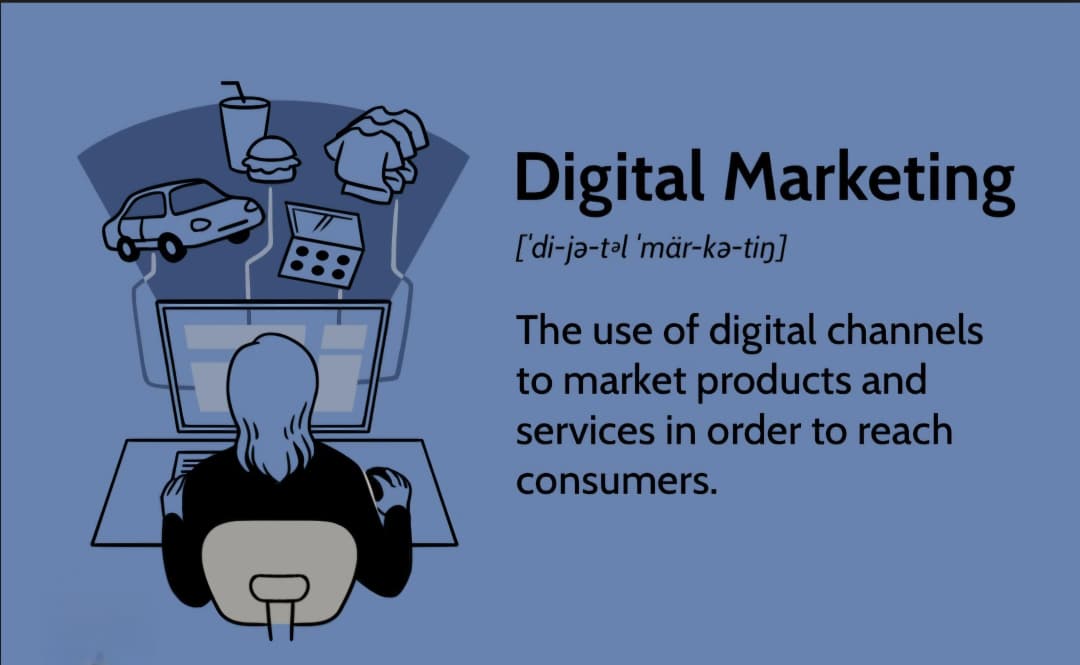
Digital marketing refers to the process of advertising your business, products, or services through various online mediums, including websites, social media platforms, email campaigns, and search engines.
2. Why is digital marketing important for small businesses?
It empowers small companies to reach a broader audience, effectively build their brand identity, and compete head-on with larger corporations, all while maintaining a lower operational cost.
3. How can digital marketing drive sales?
By accurately targeting the correct audience, digital marketing effectively appeals to prospective customers and converts them into loyal patrons through a combination of strategic advertisements, robust search engine optimization, and engaging social media initiatives.
4. Is digital marketing costly?
No, it is generally less expensive and more budget-flexible than traditional marketing methods. You can typically start with a low initial budget and gradually increase your spending as your business grows and profits.
5. What are some common examples of digital marketing?
Key examples include SEO (Search Engine Optimization), social media marketing, email marketing, content marketing, Google Ads (Pay-Per-Click advertising), and influencer marketing.
6. Can digital marketing help local businesses?
Absolutely. Local SEO strategies and optimized Google My Business listings significantly enhance the discoverability of your physical store or service by nearby customers.
7. How do I measure the success of my digital marketing efforts?
Utilize analytical tools such as Google Analytics, Facebook Insights, and email campaign reports to diligently monitor crucial metrics like website visits, click-through rates, and conversion rates.
8. Which social media platforms are best for small businesses?
Facebook, Instagram, LinkedIn, and YouTube are generally excellent choices for most businesses. The key is to select the platform where your target audience spends the majority of their online time.
9. How long does it typically take to experience results from digital marketing?
The timeframe for seeing results varies depending on the specific strategy employed. Paid advertising can often yield immediate results, whereas SEO and content marketing typically require 3–6 months to produce strong, sustainable long-term outcomes.
10. Do I need a website for digital marketing?
Yes, having a professional website is highly recommended. It provides crucial credibility to your business and serves as a centralized hub where all your online marketing endeavors and promotional activities are directed.
Contact us thewebflows
Our Team themasterad
[…] Our Team […]
I am curious to find out what blog platform you happen to be utilizing? I’m experiencing some minor security issues with my latest blog and I would like to find something more safeguarded. Do you have any suggestions?
Hey, you used to write wonderful, but the last several posts have been kinda boring?I miss your tremendous writings. Past several posts are just a little out of track! come on!
I’m not sure where you are getting your information, but good topic. I needs to spend some time learning more or understanding more. Thanks for great info I was looking for this information for my mission.
That is a very good tip especially to those new to the blogosphere. Short but very accurate information… Many thanks for sharing this one. A must read article!
Great content! Keep up the good work!